Why Sensory Play Matters in Early Years
Watch a toddler squish kinetic sand between their fingers, splash water from one cup to another, or listen closely to the crunch of dry leaves. To adults, it looks like simple, messy fun. To a young child’s developing brain, it is serious scientific research.
From birth through age six, children make sense of the world primarily through their senses—touch, sight, sound, smell, taste, balance, and body awareness. Intentional sensory play in early years lays the neurological foundation for everything from language and problem-solving to emotional self-regulation.
What Is Sensory Play?
Sensory play includes any activity that stimulates a young child’s senses. While messy play with water, sand, clay, and finger paints is the most familiar example, sensory exploration also covers:
-
Tactile (Touch): Feeling different temperatures, textures (rough, smooth, squishy, bumpy), and pressures.
-
Auditory (Sound): Listening to rhythm sticks, rainmakers, nature sounds, or whispering games.
-
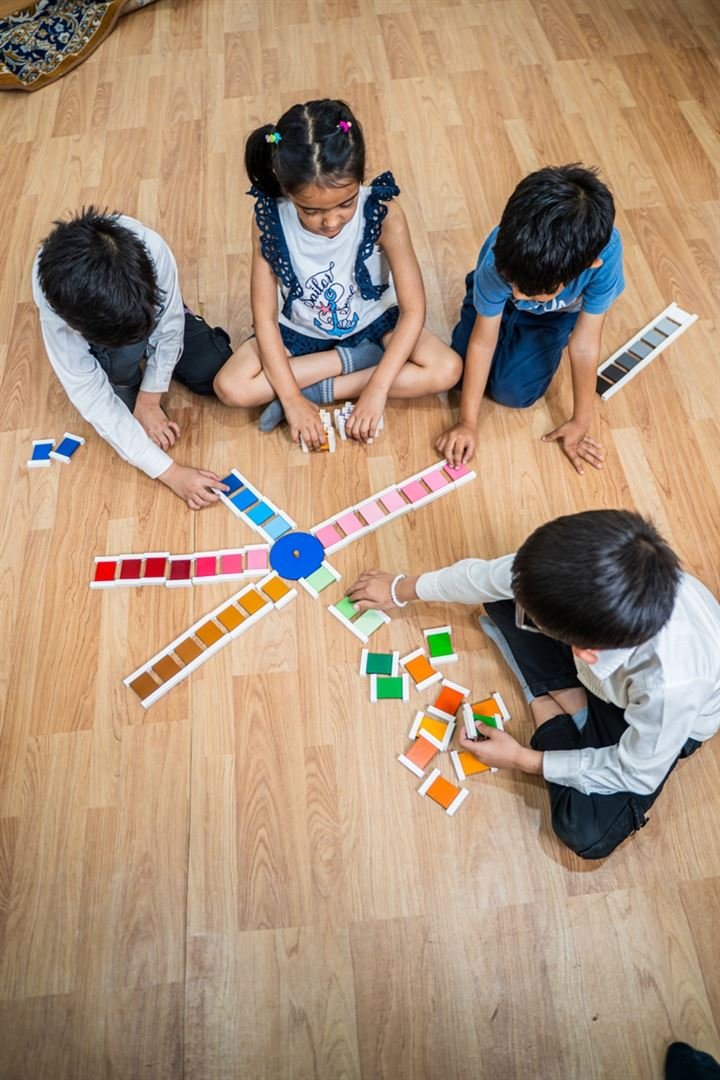
Visual (Sight): Tracking light and shadows, sorting colors, or watching oil and water separate in a sensory bottle.
-
Olfactory & Gustatory (Smell & Taste): Exploring safe kitchen herbs, citrus peels, or tasting new healthy foods during snack time.
-
Vestibular & Proprioceptive (Balance & Movement): Swinging, climbing, pushing heavy objects, and navigating obstacle courses.
5 Key Benefits of Sensory Play in Early Childhood
1. Builds Stronger Brain Connections
Every time a child engages multiple senses at once, the brain forms new neural pathways. Research in early childhood development shows that hands-on, multi-sensory experiences strengthen memory retention and help children categorize new information far more effectively than passive observation or screen time.
2. Accelerates Language and Vocabulary Growth
When children describe what they are experiencing—slimy, gritty, cold, fizzy, heavy, echoing—abstract adjectives suddenly have real meaning. Guided sensory play gives educators and parents natural opportunities to introduce rich descriptive language and encourage storytelling.
3. Develops Fine and Gross Motor Skills
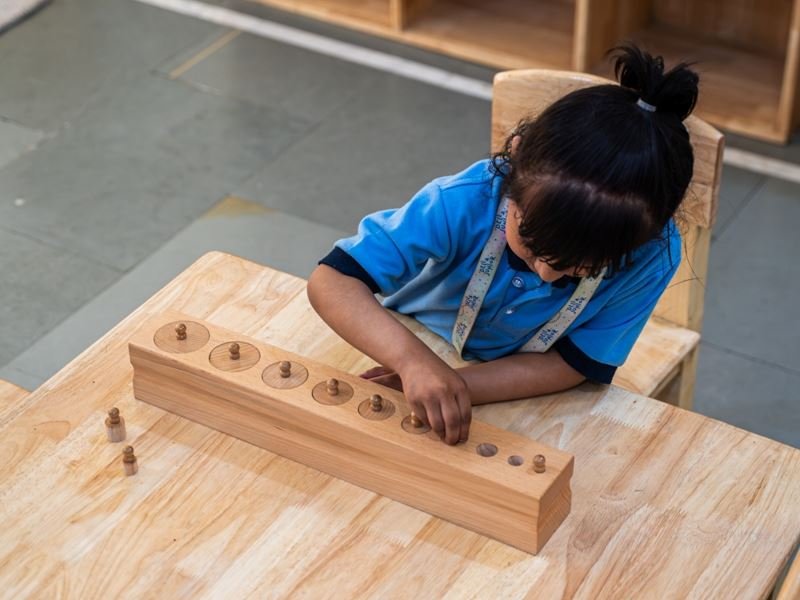
Scooping rice, pinching playdough, threading beads, and pouring water strengthen the small muscles in a child’s hands and fingers. These exact micro-movements prepare little hands for holding a pencil, buttoning a shirt, and tying shoelaces later on. Meanwhile, movement-based sensory play builds core strength, coordination, and spatial awareness.
4. Supports Emotional Regulation and Focus
Have you ever noticed how calming it feels to knead dough or run your hands through warm water? Sensory play has a grounding effect on young nervous systems. For toddlers and preschoolers learning to manage big emotions, tactile and repetitive sensory activities act as a healthy outlet to reduce anxiety and lengthen attention spans.
5. Encourages Scientific Thinking and Problem-Solving
A sensory table is a child’s first laboratory. Without realizing it, children test hypotheses every day: Will this pine cone sink or float? How much water turns dry sand into a castle? What happens when blue paint mixes with yellow? This trial-and-error mindset builds early STEM confidence and resilience.
How We Nurture Sensory Exploration at Della Junior
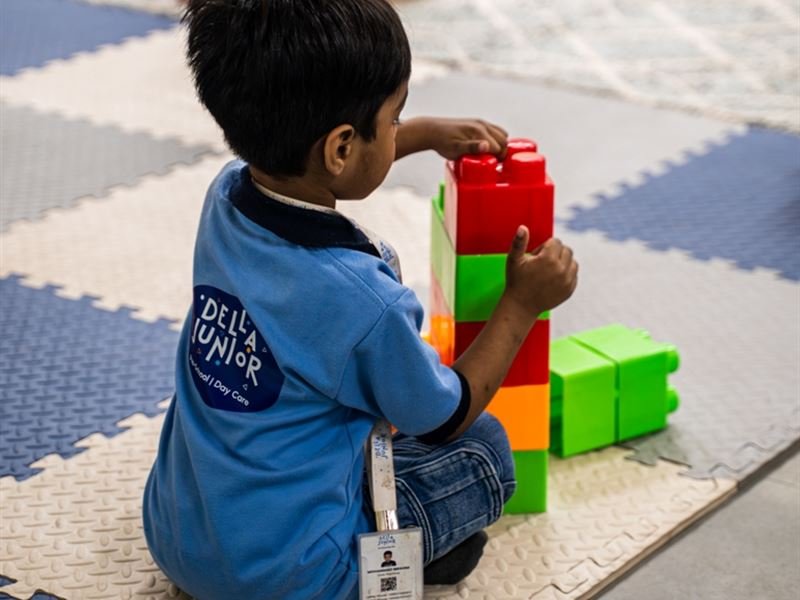
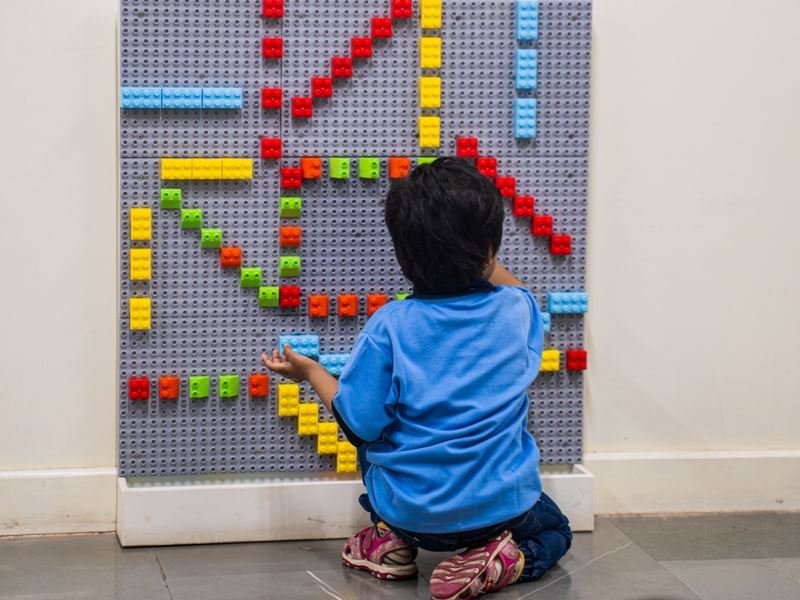
At Della Junior Pre-School & Day Care, we believe young learners thrive when curiosity leads the way. Across our programs for children aged 6 months to 6 years, sensory exploration is woven into our daily rhythm and holistic learning pathways—not treated as an occasional Friday activity.
Whether infants are exploring safe, textured fabric boards or preschoolers are investigating natural materials in our outdoor play zones in Greater Noida, every activity is thoughtfully designed to be safe, hygienic, and developmentally purposeful.
Simple Sensory Play Ideas to Try at Home
You do not need expensive toys to bring sensory learning into your home. Try these quick setups:
-
Kitchen Spice Painting: Mix a pinch of turmeric, cinnamon, or cocoa powder into warm water and let your child paint on thick paper while exploring colors and scents.
-
Mystery Texture Bag: Place 4–5 everyday household items (a wooden spoon, a soft sponge, a pinecone, a smooth stone) in a cloth bag and ask your child to guess each object by touch alone.
-
Water Pouring Station: Give your toddler two plastic cups, a sponge, and a small bowl of water on a towel—it builds focus and hand-eye coordination for 20 minutes straight.
Ready to See Learning in Action?
Choosing the right early learning environment sets the tone for your child’s lifelong love of discovery. Book a campus visit at Della Junior Pre-School & Day Care to experience our sensory-rich classrooms, meet our educators, and see how we nurture every stage of early childhood.