Building Independence with Simple Daily Routines
Simple daily routines build independence in young children by providing predictable structures. Tasks like dressing themselves, organizing toys, and washing hands foster self-reliance, improve fine motor skills, and instill confidence in early learners.
Why Predictability Creates Confident Children
For adults, a highly structured day can sometimes feel restrictive, but for toddlers and preschoolers, it is the foundation of freedom. When children know exactly what to expect, their anxiety levels drop, allowing them to focus their cognitive energy on learning and exploring. Predictability transforms a chaotic environment into a safe space where young minds feel secure enough to take safe risks, make choices, and assert their emerging individuality.
The Psychology Behind Routine and Security
Child psychology emphasizes that routines act as anchors. When a child can anticipate that cleanup time always precedes snack time, they begin to internalize a sense of control over their environment. This predictability reduces power struggles between parents and children. Instead of being told what to do at every moment, the child learns to follow the established rhythm of the day, naturally stepping into a role of active participation rather than passive compliance.
4 Age-Appropriate Daily Routines for Toddlers and Preschoolers
Morning Mastery: Getting Ready for the Day
Mornings set the tone for the entire day. Encourage toddlers to participate in small, manageable steps. Let them choose between two appropriate outfits, practice putting on their own shoes, or brush their teeth with supervision. These small victories early in the day provide a massive boost to their self-esteem and refine their gross and fine motor skills.
Playtime Responsibility: The Cleanup Routine
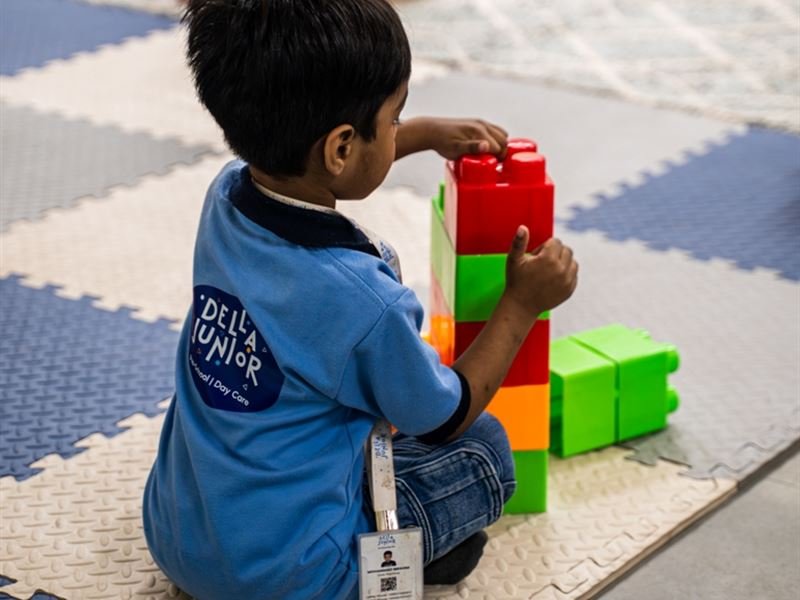
Tidying up should never be framed as a punishment, but rather as the natural conclusion to playtime. Incorporating a cleanup song or organizing toys into color-coded bins turns a chore into an engaging matching game. This routine teaches respect for their environment and demonstrates that they are capable contributors to the household.
Mealtime Independence
Mealtimes offer excellent opportunities for building self-reliance. Allow preschoolers to help set the table by placing napkins or non-breakable plates. During the meal, encourage them to feed themselves and, eventually, pour their own water from a small, manageable pitcher. This builds hand-eye coordination and a healthy relationship with food and family time.
Evening Wind-Down
A consistent bedtime routine signals to a child’s brain that it is time to rest. Transitioning independently through steps like putting on pajamas, choosing a bedtime story, and arranging their sleep space helps children self-soothe. This independence at night directly translates to better sleep quality and a more refreshed start the next morning.
How We Foster Self-Reliance at Della Junior
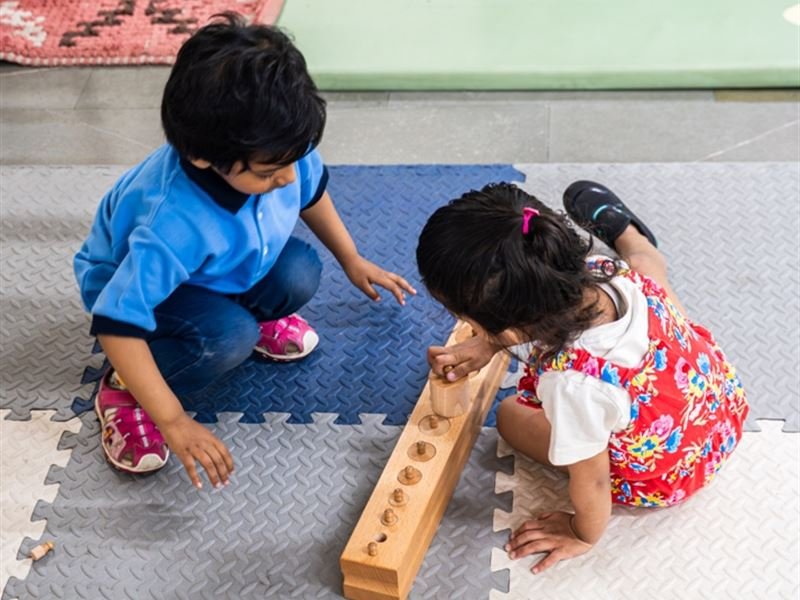
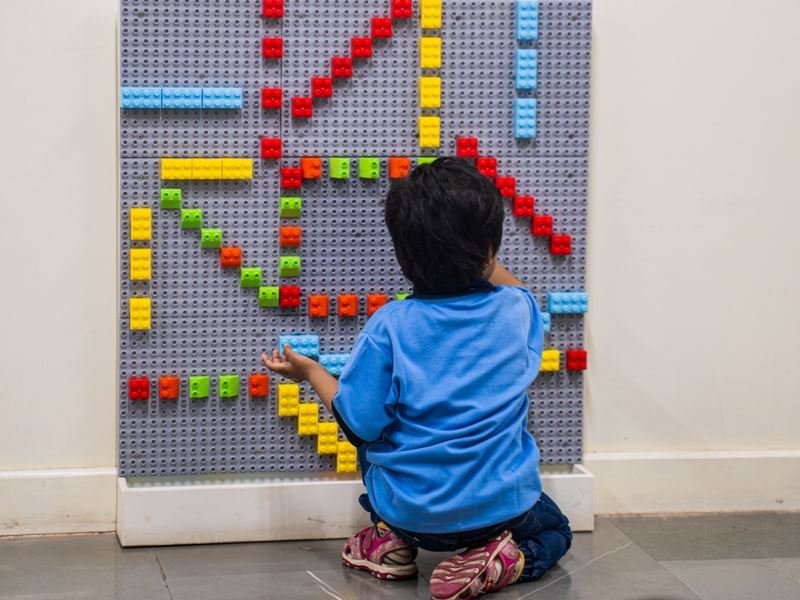
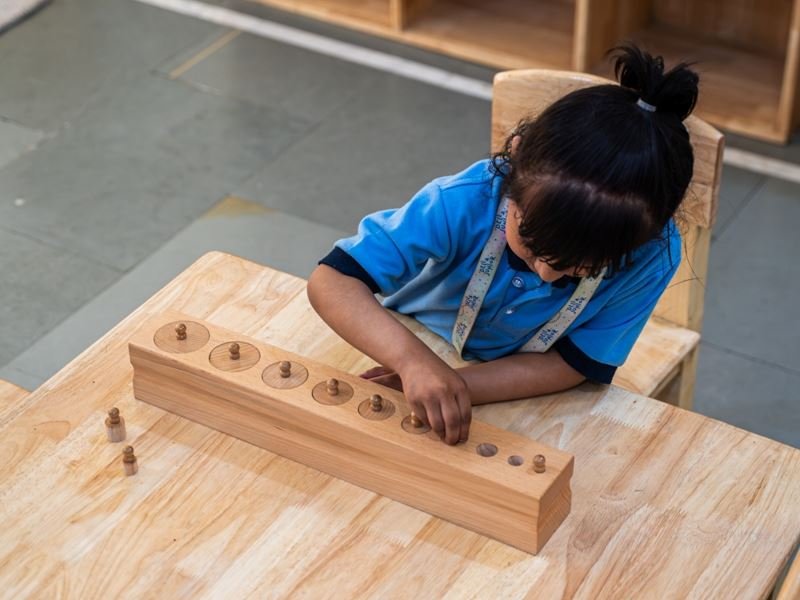
At Della Junior, our entire pedagogy is structured around empowering the child. From our Playgroup to our UKG programs, our classrooms are designed to be accessible, allowing children to reach their own materials and manage their personal belongings safely. We integrate visual schedules and consistent transition cues into our daily flow, ensuring that every child feels secure and confident. Our educators guide rather than direct, stepping back just enough to let each child discover their own capabilities within a highly secure, nurturing environment.
Partnering with Parents: Bridging School and Home
True independence blossoms when the routines at school are mirrored at home. We actively collaborate with parents through regular HelloParent updates to share the specific routines and milestones your child is mastering at Della Junior. By adopting similar transition cues and offering the same level of guided autonomy in your household, parents can reinforce the self-reliance and confidence their children are building in the classroom.
Frequently Asked Questions About Early Childhood Routines
How do routines help child development? Routines provide a sense of security that lowers anxiety, allowing children to focus on developing cognitive, social, and motor skills. They also teach time management, self-discipline, and responsibility.
At what age should children start daily chores? Children as young as two years old can begin participating in simple routines like putting toys in a bin or placing their shoes by the door. As they grow, tasks can become progressively more involved.
What if my child resists the routine? Resistance is a normal part of testing boundaries. Stay consistent, offer guided choices (e.g., “Do you want to put your blocks away first, or your books?”), and use positive reinforcement rather than focusing on the refusal. Consistency eventually overrides resistance.